
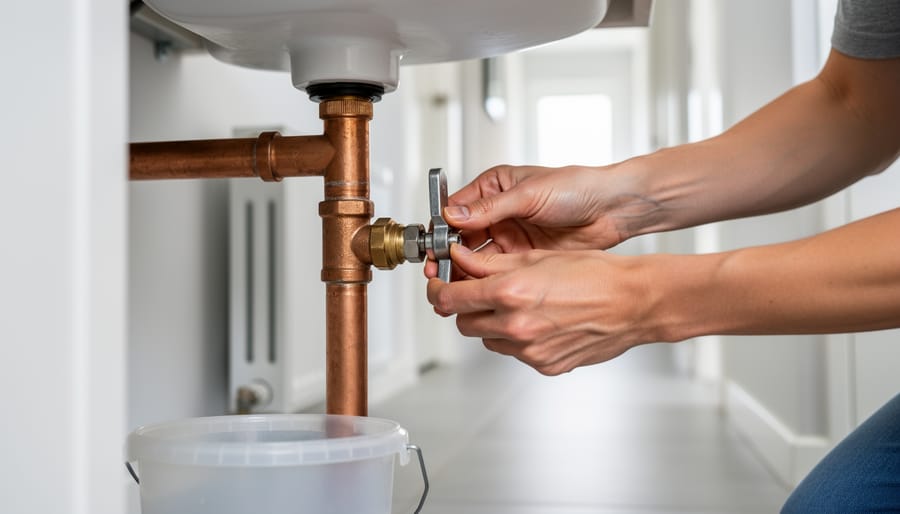
Discovering a plumbing fault when you’re trying to sell your house doesn’t mean you need to cancel the listing or spend thousands on repairs. The quickest path forward is to price the property to reflect the issue, disclose it honestly, and market to buyers who are comfortable with renovation projects or willing to negotiate. Most sellers in this situation reduce their asking price by 10-15% below comparable homes (depending on the severity of the fault), then attract cash buyers or investors who see opportunity rather than obstacle.
Start by getting a licensed plumber to document the problem and provide a written repair estimate. This report becomes your safety net. It protects you legally, gives buyers confidence that you’re transparent, and anchors price negotiations in fact rather than guesswork. Many homeowners worry they’ll lose every potential buyer once word gets out about a faulty pipe or dodgy boiler, but the reality is different. There’s an entire market of purchasers actively seeking properties they can add value to, and your honesty often speeds up the sale rather than derailing it.
The key decision you’ll face is whether to repair before selling or accept a lower offer and move on quickly. Neither choice is wrong, both have trade-offs, and your best option depends on your timeline, budget, and stress tolerance. Some sellers choose companies that we buy any house fast bypassing traditional buyers altogether. We’ll walk you through symptom spotting, legal obligations, pricing strategies, and alternative routes so you can make the decision that works for your situation.
Recognizing What You’re Dealing With: Common Plumbing Faults in Home Sales
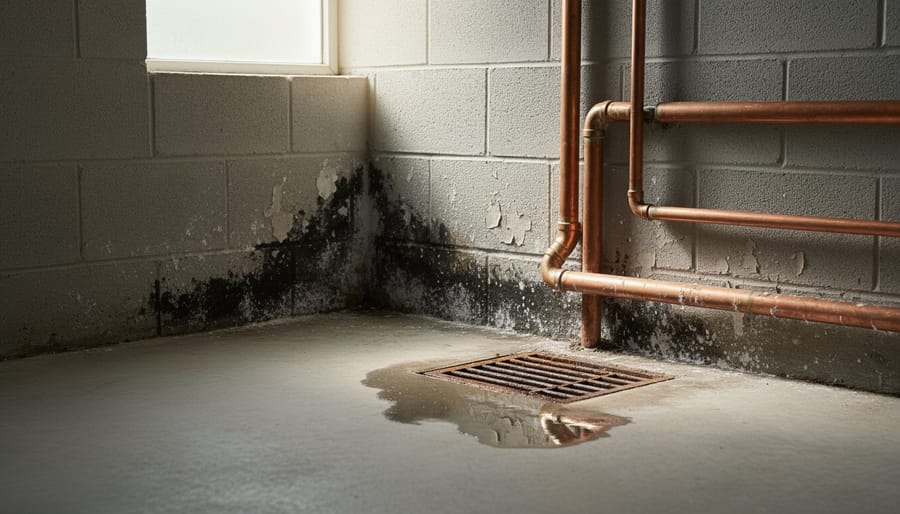
Before you list your home, you need an honest inventory of what’s actually wrong. Not every drip or gurgle carries the same weight with buyers and inspectors, and understanding the difference helps you decide what to disclose, how to price, and which buyers to target.
Start by walking through your house with a critical eye. Look under sinks, flush every toilet, run all faucets, and listen to your water heater. Many sellers discover issues they’ve been ignoring for months, that slow bathroom drain, the basement pipe with mineral buildup, the shower that takes forever to heat up. Write everything down, even the seemingly trivial stuff, because what feels minor to you might raise flags during inspection.
- Cosmetic issues
- Surface problems like dripping faucets, worn washers, or mineral stains that don’t affect system function. These rarely derail sales but should still be disclosed if noticeable.
- Functional problems
- Issues that impair daily use, slow drains, low water pressure, running toilets, or inconsistent hot water. Buyers expect these repaired or reflected in price.
- Structural concerns
- Plumbing that threatens your home’s integrity, such as pipe leaks damaging walls or foundations, outdated galvanized pipes prone to failure, or sewer line breaks. These significantly impact negotiations.
- Safety-critical defects
- Hazards like gas line leaks, cross-connections risking contamination, or water heaters without proper venting. Inspectors flag these immediately and buyers often demand resolution before closing.
The distinction matters because buyers and their inspectors prioritize differently than you might. Simple leaky faucet fixes won’t typically kill a deal, but a compromised sewer line absolutely will, unless you price and disclose it properly from the start. Foundation-threatening leaks, meanwhile, fall into that middle zone where transparency and reasonable price adjustment can keep negotiations moving.
If you’re uncertain about severity, bring in a licensed plumber for a pre-sale assessment. A professional can check plumbing leaks you might have missed, identify code violations from previous DIY repairs, and give you written estimates that justify your pricing decisions to buyers. That documentation becomes your shield during negotiations, it proves you understood the problem and priced fairly, rather than hiding defects and hoping nobody notices.
Pay special attention to anything involving your home’s bones: main water lines, sewer connections, and anything below the slab. These are the issues that shift your selling strategy from traditional listing to investor-focused marketing.
Why Plumbing Problems Happen and What They Signal to Buyers
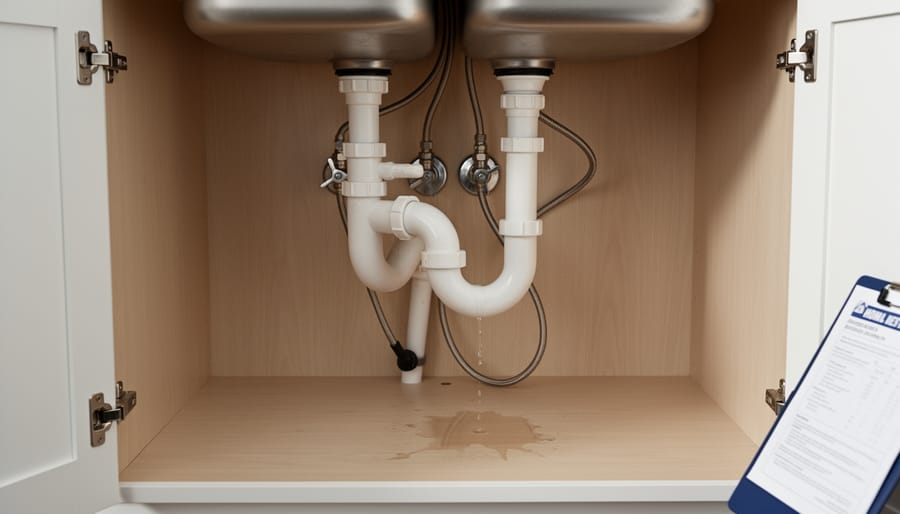
Plumbing problems don’t appear out of nowhere, and savvy buyers know this. Understanding why your plumbing issues exist, and being upfront about the causes, actually strengthens your position as a seller rather than weakening it.
Most plumbing faults stem from age and wear. Homes built before the 1980s often contain galvanized steel pipes that corrode from the inside out, gradually restricting water flow and contaminating supply lines. Cast iron drain pipes, common in homes from the 1950s through 1970s, typically last 50-70 years before developing rust holes and cracks. If your home is approaching or past these thresholds, buyers expect aging infrastructure, and acknowledging it demonstrates you understand your property’s condition.
Poor previous repairs create another category of problems. Many homeowners encounter patched joints that weren’t properly soldered, mismatched pipe materials that accelerate corrosion, or amateur fixes that violate current codes. These Band-Aid repairs often fail within years, and experienced buyers spot them during inspections. When you can explain that a previous owner attempted fixes rather than professional replacements, you contextualize the problem and show you’re not hiding shoddy workmanship of your own.
Environmental factors cause problems too. Hard water deposits gradually choke pipes and destroy fixtures in regions with high mineral content. Tree roots infiltrate sewer lines through microscopic cracks, seeking moisture and nutrients. Foundation shifts from soil settlement can break rigid pipes. Buyers understand these aren’t maintenance failures; they’re property characteristics that affect long-term upkeep.
What matters most to buyers isn’t that problems exist, it’s whether you understand them and present them honestly. A seller who says “The 1965 cast iron stack is deteriorating, and I’ve adjusted the price by $8,000 based on replacement estimates” signals competence and integrity. One who claims everything’s fine while inspection reports tell a different story signals potential hidden problems throughout the house. Transparency about causes doesn’t destroy deals, it builds the trust foundation that closes them.
Your Legal Obligations: Disclosure Requirements by State
When you sell a home with known plumbing problems, understanding your legal duty to disclose those issues isn’t optional, it’s a requirement in most states, and the consequences of hiding defects can follow you long after closing. As of 2026, disclosure laws vary significantly by state, but the trend has moved decisively toward greater transparency.
Most states now mandate written disclosure of “known material defects”, problems that substantially affect the property’s value, safety, or livability that you’re aware of. A leaking sewer line, corroded galvanized pipes, or a failed sump pump system all qualify. The key word is “known.” You’re obligated to disclose defects you’ve personally observed, issues previous inspections identified, or problems you learned about through repairs or insurance claims. You’re not expected to hire an inspector or tear open walls searching for hidden issues, but once you know a problem exists, you can’t pretend ignorance.
| Disclosure Level | Example States | Key Requirements |
|---|---|---|
| Full Written Disclosure | California, New York, Texas, Illinois | Mandatory disclosure form covering all known defects; penalties for omission |
| Partial Disclosure | Florida, Ohio, Pennsylvania | Disclosure required but may be limited to specific categories or opt-out with price adjustment |
| Caveat Emptor (Minimal) | Alabama, Arkansas, North Dakota | Buyer beware; disclosure only for major hazards or upon direct inquiry |
States with full disclosure requirements provide standardized forms listing dozens of potential issues. You’ll check boxes, add details, and sign under penalty of perjury. These forms become part of your sales contract, and buyers can walk away if they’re uncomfortable with what you’ve revealed. States with partial disclosure may let you sell “as-is” with a simple statement, though this often raises red flags for buyers and lenders.
Even in the handful of caveat emptor states remaining, you’re still liable for fraud if you actively conceal known defects or lie when asked directly. Painting over water stains, hiding access to a problem area, or verbally denying an issue you’re aware of can expose you to lawsuits regardless of your state’s baseline requirements.
The consequences of non-disclosure are serious. Buyers who discover undisclosed plumbing faults after closing can sue for rescission (unwinding the sale), repair costs, diminished property value, and sometimes punitive damages. These lawsuits can surface months or years later, and “I forgot” or “I didn’t think it was important” rarely provide successful defenses. Your real estate agent and attorney can also face liability if they knew about issues you failed to disclose.
Before you list, consult a real estate attorney familiar with your state’s current disclosure laws. Requirements change, local municipalities sometimes impose additional rules, and your specific situation may have nuances a generic form doesn’t address.
How to Price Your Home with Known Plumbing Issues
Pricing a home with known plumbing faults isn’t guesswork, it’s a calculated process that protects your sale while remaining fair to buyers. The key is demonstrating that you’ve done the homework, even if you’re not doing the work itself.
Start by getting written repair estimates from licensed plumbers. Yes, you’re not fixing the problems, but these quotes serve three critical purposes: they give you concrete numbers to work from, they show buyers you’re transparent about costs, and they prevent wild speculation during negotiations. If you’re dealing with a sewer line issue, get quotes for both traditional dig-and-replace and trenchless repair options. For older galvanized pipes, get estimates for partial replacement versus whole-house repiping. Keep these documents ready to share with serious buyers.
- Obtain detailed written estimates from at least two licensed plumbers, specifying the scope of work, materials, and timeline for each plumbing issue you’re disclosing.
- Research recently sold homes in your area with similar square footage and features, then look specifically for properties that sold “as-is” or with disclosed defects, your agent can help pull this data from MLS notes.
- Calculate the total repair cost from your estimates, then add 15-25% as a buyer’s risk premium, this accounts for the uncertainty, inconvenience, and financing complications buyers face with fixer properties.
- Position your adjusted price strategically in listings by emphasizing “priced for immediate sale” or “priced to allow buyer’s choice of contractor and materials”, frame the discount as buyer control, not seller desperation.
The risk premium matters because buyers aren’t just taking on repair costs, they’re accepting the hassle of coordinating work, living through construction, and potentially uncovering additional problems once walls open up. A $8,000 sewer repair might justify a $10,000 price reduction.
Don’t forget to factor in how the plumbing issue affects financing. FHA and VA loans won’t close on homes with certain plumbing defects, which narrows your buyer pool to conventional or cash buyers. That market reality sometimes justifies a steeper discount than the repair cost alone would suggest. Your pricing should acknowledge you’re selling to a smaller, more investor-oriented audience who’ll run their own numbers and expect room for profit if they’re flipping.
Disclosure Strategies That Protect You and Attract Buyers
Disclosure isn’t just a legal checkbox, it’s your best defence against post-sale litigation and, surprisingly, a powerful marketing tool. Buyers in 2026 are savvier than ever, and they respect sellers who lay their cards on the table. When you disclose plumbing faults properly, you filter out buyers who’ll panic during inspection and attract those who see opportunity in your reduced price.
Start with your state’s mandatory disclosure form, but don’t stop there. Complete it thoroughly, describing the plumbing issue in clear language without minimizing or catastrophizing. “Sewer line has root intrusion, confirmed by camera inspection 2026-07-15” beats vague statements like “some plumbing concerns.” Specificity signals honesty and helps buyers make informed decisions.
Consider getting a pre-listing inspection specifically focused on the plumbing system. Yes, this costs money upfront, but it accomplishes two things: you know exactly what you’re dealing with, and you control the narrative before a buyer’s inspector creates surprise drama. Share the full report with serious buyers, transparency builds trust faster than anything else.
Create a disclosure package that includes:
- Completed state disclosure forms with detailed plumbing issue descriptions
- Full inspection reports from licensed plumbers or home inspectors
- Written repair estimates from at least two contractors
- Photographs documenting the problem areas and any related damage
- Maintenance records showing you’ve addressed other home systems responsibly
- Letters from plumbers explaining the issue, repair options, and realistic timelines
This package transforms a potential deal-killer into evidence of your integrity. When Sarah in Portland discovered her century-old home had a failing sewer line requiring £8,000 in repairs, she got three written estimates, a camera inspection video, and a plumber’s letter explaining the work needed. She disclosed everything upfront, adjusted her price by £7,000, and received two offers within three weeks, both from buyers who appreciated not wasting time on hidden surprises. The winning buyer later told her the documentation package made them comfortable proceeding without further price negotiations.
Present your disclosure package early, ideally when buyers request showings or make initial inquiries. Don’t wait until they’re emotionally invested only to spring bad news during inspection. Early disclosure attracts the right buyers and repels those who’ll waste everyone’s time.
Marketing Your Home: Turning a Fault into an Opportunity

The right marketing approach transforms a disclosed plumbing fault from a liability into a buyer advantage. Instead of burying the issue or hoping buyers overlook it, position your property to attract the specific audience that sees value in as-is purchases.
Frame your listing honestly but strategically. Language like “priced for buyer-selected repairs” or “updated price reflects disclosed plumbing work needed” signals transparency without alarm. Avoid dramatic terms like “serious defects” or “major problems”, stick with neutral descriptors like “requires sewer line replacement” or “partial re-piping needed.” The goal is clarity, not catastrophizing.
Target buyers who actively seek these opportunities. Investors, house flippers, and contractors routinely search for properties priced below market specifically because repairs are needed. DIY-minded buyers often prefer lower purchase prices over paying for someone else’s contractor choices. In 2026, this segment has grown substantially as more buyers recognize that pre-renovated homes often come with premium pricing and repairs that don’t match their preferences.
Your listing should emphasize buyer control and customization. Phrases like “choose your own plumber and materials” or “customize repairs to your standards” appeal to buyers frustrated by overpaying for cosmetic updates they’d rather do themselves. Include the repair estimates you gathered in the pricing section, providing this documentation upfront demonstrates professionalism and helps serious buyers move quickly.
Consider listing on platforms frequented by investors or including “as-is sale” in your property tags. Many buyers specifically filter for these terms. Your disclosed fault, paired with honest pricing, becomes the hook that attracts motivated purchasers rather than the obstacle that drives them away.
Navigating Negotiations and Inspection Periods
Once you’ve disclosed your plumbing issues upfront, the negotiation process becomes more straightforward, but you’ll still need clear boundaries. Buyers will receive inspection reports that confirm what you’ve already told them, and sometimes uncover additional concerns. Your job is to respond calmly while protecting the price adjustment you’ve already built in.
When the inspection report arrives, read it carefully with your agent. If it simply confirms the disclosed plumbing fault, say, the old cast iron pipes or outdated water heater repair needs you mentioned, you’re on solid ground to decline further price reductions. You’ve already priced the home accordingly. Politely remind buyers through your agent that these issues were disclosed before their offer, and your asking price reflects that transparency.
If inspectors find genuinely new problems you didn’t know about, assess their severity honestly. Minor additional issues, a dripping fixture or a small leak you’d missed, might warrant a small credit of a few hundred dollars. Major surprises like hidden sewer line damage require different handling. Get your own estimates, verify the claim, and decide whether a modest credit, a capped repair contribution, or holding firm makes sense for your situation.
Offering credits instead of completing repairs yourself gives buyers control and avoids disputes over workmanship. Provide copies of any estimates you obtained, invoices from previous plumbing work, and warranties if available. This documentation shows good faith without committing you to manage contractors during the sale. When buyers propose bringing their own plumber for estimates, agree readily, it demonstrates confidence in your disclosure and often results in more reasonable repair figures than initial inspection alarms suggest.
Set your bottom line before negotiations begin, and communicate it clearly to your agent. If you’ve already reduced your price by fifteen thousand dollars for known plumbing issues, you’ve done your part. Walking away from a buyer who demands another ten thousand off after inspection is sometimes the right move, especially in markets where investor buyers and contractors actively seek properties like yours.
Alternative Sale Options for Homes with Major Plumbing Problems
When major plumbing problems threaten to derail a traditional sale, or when you simply need to move quickly, alternative selling routes can offer practical solutions. Each approach trades some potential profit for speed, certainty, or reduced hassle.
Cash Home Buyers and Investment Companies
Companies that buy homes for cash typically purchase properties “as-is,” plumbing faults and all. They handle all closing costs, skip the inspection negotiation process entirely, and can close in as little as seven days. The trade-off? Expect offers ranging from 50-70% of your home’s post-repair market value. These buyers calculate their offer by subtracting repair costs, holding expenses, and their profit margin from the home’s fixed-up value. This route makes financial sense when you’re facing foreclosure, need to relocate urgently, or when the cost and time of repairs would exceed what you’d gain in a traditional sale.
Real Estate Auctions
Auctions create urgency and competition among investor buyers who specialize in renovation properties. You’ll set a reserve price (minimum acceptable bid), and the property typically sells within 30-45 days from listing to closing. Auction houses charge 5-10% commission, and final prices usually land between 60-80% of market value. This approach works well for unique properties or situations where you want to prevent future leaks from causing additional damage while the property sits on the market.
Direct Investor Sales
Connecting with local real estate investors through networking groups or online platforms can yield better offers than large cash-buying companies, often 65-80% of market value, because there’s no middleman. Investors appreciate detailed documentation of the plumbing issues and repair estimates, as it helps them calculate renovation budgets accurately.
Traditional sales typically net the highest return if you can afford to wait 60-90 days and handle showing logistics, but alternative routes provide certainty and speed when circumstances demand it.
Preventing Future Sale Complications: Lessons for Homeowners
Whether you’re staying put or planning to sell years from now, the best strategy is never needing this article in the first place. Homeowners who maintain their plumbing systems consistently avoid the disclosure dilemma entirely and preserve their home’s full value.
The foundation of plumbing maintenance is knowing what you have. Walk through your home and locate shut-off valves, your main water line, the sewer cleanout, and your water heater. Understanding your system’s age and materials, copper versus galvanized pipes, cast iron versus PVC drains, tells you what problems to anticipate. Homes built before 1970 often have components nearing end-of-life that deserve extra attention.
Create a simple maintenance routine that catches issues before they escalate:
- Schedule annual professional inspections, especially for water heaters, sump pumps, and main drain lines
- Check under sinks and around toilets quarterly for moisture, stains, or soft flooring
- Flush your water heater annually to prevent sediment buildup that shortens its lifespan
- Address slow drains, minor leaks, and dripping faucets within days, not months
- Keep dated receipts for all plumbing work, inspections, and equipment replacements in a home maintenance file
- Have your sewer line camera-inspected every five years if you have mature trees nearby
That documentation habit matters more than you’d think. When Mike, a licensed plumber in Oregon, prepares homes for family members to sell, he emphasizes the selling power of maintenance records. “Buyers see a folder of annual water heater flushes and drain cleanings, they know you cared about the house. That peace of mind is worth thousands in negotiations. No records means they assume you did nothing.”
Small investments now prevent large disclosure headaches later. Replacing a fifty-dollar toilet flapper today beats explaining a rotted subfloor to buyers. The homeowners who sail through inspections aren’t lucky, they’re simply attentive.
Frequently Asked Questions About Selling with Plumbing Faults
Can I legally sell a house with bad plumbing I’m not going to fix?
Yes, you can sell a home with plumbing issues in any condition, provided you properly disclose known defects as required by your state’s laws. The key is transparency, buyers have the right to make informed decisions, but you’re not legally obligated to make repairs before selling.
Will all buyers walk away once they learn about plumbing problems?
Not at all. While some buyers seeking move-in ready homes may pass, many investors, contractors, and budget-conscious buyers actively look for properties with disclosed issues priced accordingly. Your buyer pool shifts, but it doesn’t disappear.
How much should I reduce my asking price to account for plumbing faults?
Get written repair estimates even if you won’t fix the issues, then reduce your price by the estimated repair cost plus 10-20% to account for buyer inconvenience and uncertainty. For a $5,000 sewer line repair, expect to discount $5,500-$6,000 from comparable homes without issues.
What happens if the buyer’s inspector finds additional plumbing problems I didn’t know about?
You’re only legally required to disclose issues you knew about before listing. If an inspection uncovers new problems, you can negotiate with the buyer, offering a price reduction, repair credit, or standing firm if you’ve already priced fairly for known issues.
Do I need a real estate attorney when selling with disclosed plumbing faults?
While not always legally required, consulting an attorney familiar with your state’s disclosure laws is highly recommended. They’ll review your disclosure forms, ensure you’re protected from future liability claims, and help you navigate any complex negotiation situations that arise.
Am I liable for plumbing issues after closing if I disclosed everything properly?
Generally no, provided your written disclosures were accurate and complete. Most states protect sellers from post-closing claims when defects were properly disclosed and the buyer acknowledged them in writing. Keep copies of all disclosure documents, inspection reports, and signed acknowledgments for your records.
These questions reflect what most sellers worry about when they first discover they’re selling with plumbing problems. The pattern is clear: buyers fear legal trouble and total deal failure, but the reality is far more manageable. Proper disclosure protects you legally while attracting a different but very real buyer audience willing to take on the work in exchange for a fair price adjustment.
Selling your home with plumbing issues you won’t be fixing isn’t just possible, it’s a legitimate strategy that works when you approach it honestly. The key lies in three elements: complete transparency about what’s wrong, pricing that reflects the needed repairs, and targeting buyers who value control over their renovation choices.
You’ve learned throughout this guide that disclosure protects you legally while building buyer trust. Many purchasers actually prefer buying at a reduced price and managing repairs themselves rather than paying full market value for fixes they didn’t choose. Investors, contractors, and DIY-minded buyers actively seek these opportunities.
Remember that real estate laws vary significantly by location, and your specific situation has unique details that generic advice can’t fully address. Before listing, consult with a local real estate attorney about disclosure requirements in your state and work with an experienced agent who understands how to market properties with known defects.
The plumbing fault you’ve discovered doesn’t have to derail your sale. With the right approach, documentation, and pricing strategy, you’ll find buyers who see value where others might see problems. Your honesty throughout the process isn’t just ethical, it’s your strongest selling point.