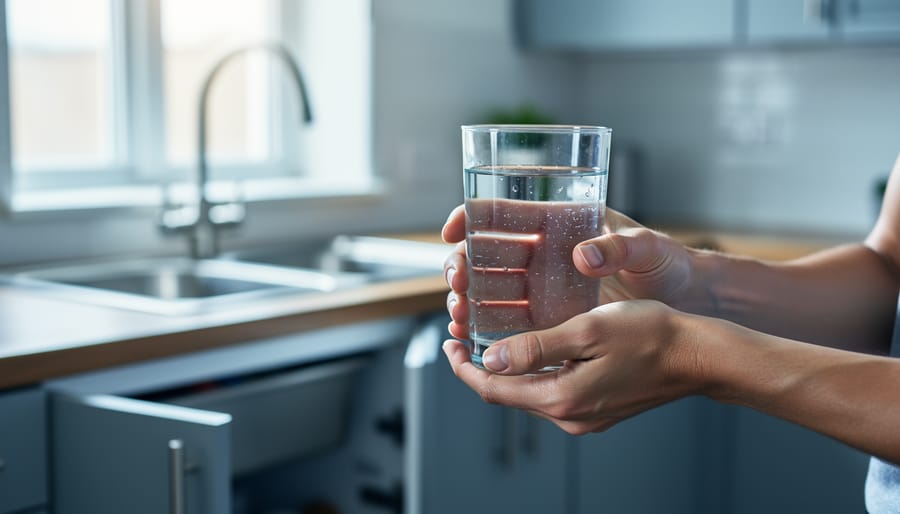
Finding the best home water purification systems in 2026 means looking beyond marketing claims to understand what actually gets installed in real homes and how those systems perform after the honeymoon phase ends. A plumber I spoke with last month shared that homeowners consistently underestimate two things: the space these systems require under their sinks and the filter replacement costs that add up year after year.
You’re probably here because your tap water tastes off, you’re concerned about contaminants making headlines, or you’re simply tired of lugging bottled water from the store. Whatever brought you here, you need straight answers about which systems actually deliver clean water without turning installation into a nightmare or draining your wallet on maintenance.
The water purification landscape has shifted considerably. Whole-house systems that once required significant plumbing modifications now offer simpler connection points. Under-sink reverse osmosis units have become more efficient, wasting less water during filtration. Countertop models have evolved beyond basic carbon filters to incorporate multiple filtration stages in surprisingly compact designs.
This guide walks you through the top-performing systems based on real installations, verified by plumbers who install these units weekly and homeowners who’ve lived with them for months or years. You’ll learn which systems work best for different home configurations, what installation actually involves (and when you should absolutely call a professional), and the true cost of ownership beyond the initial purchase price. We’ll also explore how water quality connects to your broader home systems, from your water heater’s lifespan to your coffee maker’s performance.
Understanding Point-of-Entry vs. Point-of-Use Systems
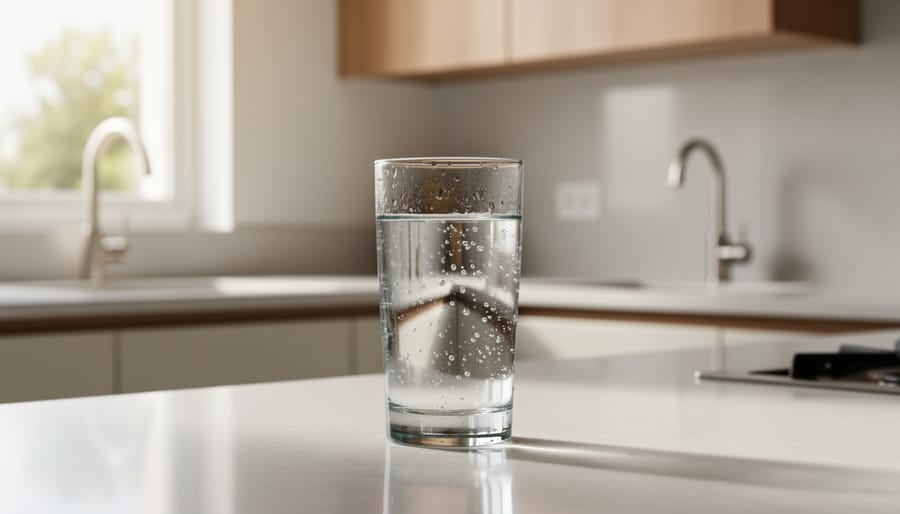
The first choice you’ll make when picking water purification systems is between point-of-entry (POE) and point-of-use (POU) options, and this decision shapes everything else. POE systems treat water as it enters your home, filtering every tap, shower, and appliance. POU systems sit at a single location, typically under the kitchen sink, and purify only the water flowing through that specific faucet.
Whole-home POE systems make sense when you’re worried about contaminants affecting more than drinking water. If you have hard water damaging your water heater, chlorine irritating skin in the shower, or sediment clogging appliances, treating at the entry point solves all these issues at once. They’re particularly valuable for well water filtration where untreated water can carry bacteria, minerals, and other contaminants throughout your entire plumbing system.
POU systems excel when your main concern is drinking and cooking water quality. They’re cheaper upfront (usually $200-$800 versus $1,500-$5,000 for whole-home), easier to install, and let you choose more intensive filtration methods like reverse osmosis without worrying about water pressure or flow rate for the entire house. Understanding POU versus POE devices helps clarify which approach matches your water quality issues and household needs.
Your plumbing setup matters too. Homes with a single main water line and accessible shut-off valve near the entry point handle POE installation more easily. Split-level homes or those with multiple water lines feeding different zones may face higher installation complexity and cost. Apartments and condos rarely allow POE systems since they require modifying shared plumbing infrastructure.
Most plumbers I talk to suggest starting with a water test. If your issues are localized to taste and odor in drinking water, POU handles it. If you’re seeing scale buildup, staining, or sediment problems throughout the house, POE addresses the root cause instead of patching one tap at a time.
Top Whole-Home Water Purification Systems for 2026
Multi-Stage Filtration Systems
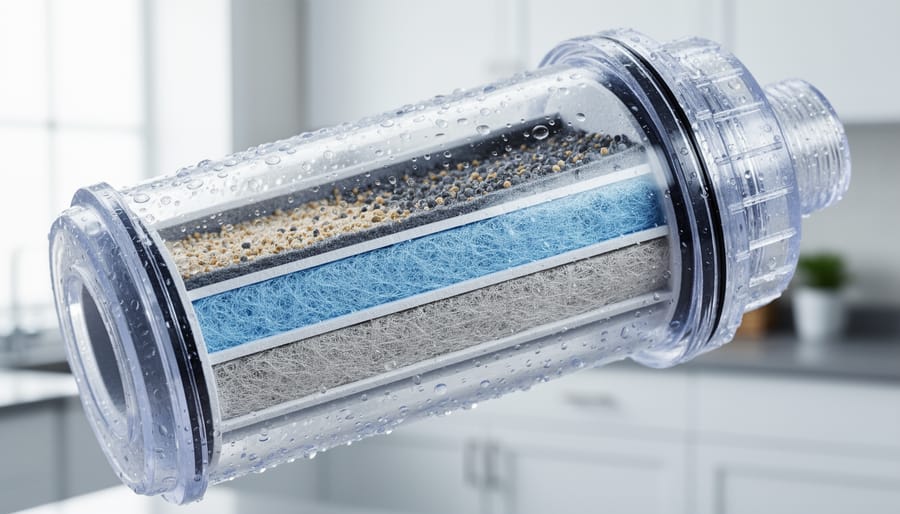
Multi-stage filtration systems stack different technologies in sequence, typically starting with a sediment filter that catches rust and larger particles before water reaches finer filters. Think of it as a relay race where each filter handles what it does best. The second stage usually involves activated carbon to remove chlorine, volatile organic compounds, and chemicals that affect taste and odor. Some systems add a third stage with specialized media for heavy metals, fluoride, or specific contaminants common in your area.
From a plumbing standpoint, these systems are easier to integrate than you’d expect. Most mount directly to your main water line using standard threaded connections, though you’ll want to account for roughly 18 to 24 inches of horizontal space depending on the number of cartridges. The beauty is they typically work with your existing water pressure without needing pumps or electricity, which keeps installation simpler.
Space can surprise people. Beyond the filter housings themselves, you need clearance below each canister for filter changes. Plan for about three feet of vertical space total if you’re mounting on a basement ceiling or wall near your shut-off valve. I’ve seen homeowners get creative with utility room corners, but accessibility matters because you’ll be swapping those filters every three to twelve months depending on your water quality and household usage.
The main compatibility issue comes down to flow rate. Check your home’s gallons-per-minute demand during peak use and match it to the system’s capacity. Undersized systems create pressure drops that’ll have family members complaining about weak showers.
Reverse Osmosis Whole-Home Systems
Whole-home reverse osmosis systems deliver the cleanest water possible, but they demand careful planning from a plumbing perspective. Unlike smaller under-sink units, these systems treat every drop entering your home, which means they need robust water pressure to function properly.
Most whole-home RO systems require a minimum of 40 PSI to push water through the membrane effectively. If your home’s pressure falls below this threshold, you’ll need a booster pump, which adds both cost and complexity to the installation. A plumber can test your pressure during the initial consultation and recommend whether a booster is necessary.
The elephant in the room is waste water. RO produces reject water as it filters, typically at a 3:1 or 4:1 ratio. For every gallon of purified water, three or four gallons go down the drain. This isn’t just an environmental concern. It shows up on your water bill, especially in larger households. Some homeowners capture this reject water for irrigation or laundry, but that requires additional plumbing modifications.
Installation also intersects with other home systems. Because RO water is nearly mineral-free, it can be slightly more corrosive to metal components over time. This means checking your water heater maintenance schedule becomes more important, as sediment buildup patterns change with purified water.
The upside? RO systems remove virtually everything, from heavy metals to pharmaceuticals, delivering lab-quality water throughout your home. For families with immune-compromised members or those simply wanting the highest level of purification, the trade-offs often make sense.
UV Purification and Hybrid Systems
UV systems use ultraviolet light to kill bacteria, viruses, and other microorganisms that mechanical filters can’t catch. Here’s the thing: UV doesn’t remove sediment, chlorine, or dissolved minerals. That’s why you’ll always see UV paired with at least a sediment pre-filter, and often a carbon stage too. The UV chamber comes after mechanical filtration, treating water that’s already been cleaned of particles.
From a plumbing standpoint, UV systems need a dedicated electrical connection, usually 120V. You’re looking at running a circuit to wherever the system sits along your main water line. Most units draw minimal power, but they run 24/7 because the lamp needs to stay on to treat water flowing through. The bulb typically lasts 9 to 12 months and needs replacement even if it still looks bright, since UV effectiveness drops over time.
Hybrid systems combining sediment filtration, carbon, and UV give you comprehensive protection. They’re particularly worth considering if you’re on well water where bacterial contamination is a real risk, or if your municipality has had boil-water advisories in the past. City water users often skip UV since municipal treatment already handles pathogens, but some homeowners want that extra layer of security.
Installation requires both plumbing connections and electrical work. If you’re getting quotes, make sure the electrician and plumber coordinate on placement. The upfront cost runs higher than mechanical filters alone, but if biological contamination is your concern, UV delivers peace of mind that carbon and sediment can’t match.
Real Stories: Homeowners Share Their Installation Experiences
When Sarah Martinez from Portland installed a whole-home reverse osmosis system in her 1980s ranch, she thought she’d accounted for everything. The plumber had warned her about space requirements near the main shut-off valve, and she’d budgeted for the system itself. What caught her off guard was the permit requirement her municipality enforced, adding an unexpected $175 fee and two weeks of waiting. “Nobody mentions this online,” she told us. “I’d planned to have clean water before my daughter came home from college. Instead, we waited three weeks total.” Her advice? Call your local building department before you buy anything.
Michael Chen’s experience went smoother than expected, but for reasons that surprised him. He’d installed a multi-stage filtration system in his Toronto home, dreading the disruption. His plumber finished in four hours, working methodically near the water shut-off in the basement. “The actual installation was straightforward because my plumber showed up prepared,” Michael shared. “He’d asked specific questions about my plumbing setup beforehand and brought the right fittings.” The real shock came six months later when Michael realized how much less soap and shampoo his family used. Hard water buildup had been costing him more than he’d realized.
Jennifer and Tom Walsh from Edmonton learned the hard way that their DIY ambitions didn’t match their skills. They bought a premium system online and figured they’d save the installation cost. Three leaks and one flooded utility room later, they called a professional plumber. “We voided the warranty trying to save $400,” Tom admits. “The manufacturer requires professional installation, which we’d skipped right over in the manual. Our plumber was polite about the mess we’d created, but I could tell he’d seen this before.” The couple now swears by their system but wishes they’d started with professional help.
What these homeowners share is a common thread: the system itself matters less than proper installation and realistic expectations. Each would make the same purchase again, but with better preparation upfront.
What You Need to Know About Professional Installation
Installation Location and Plumbing Requirements
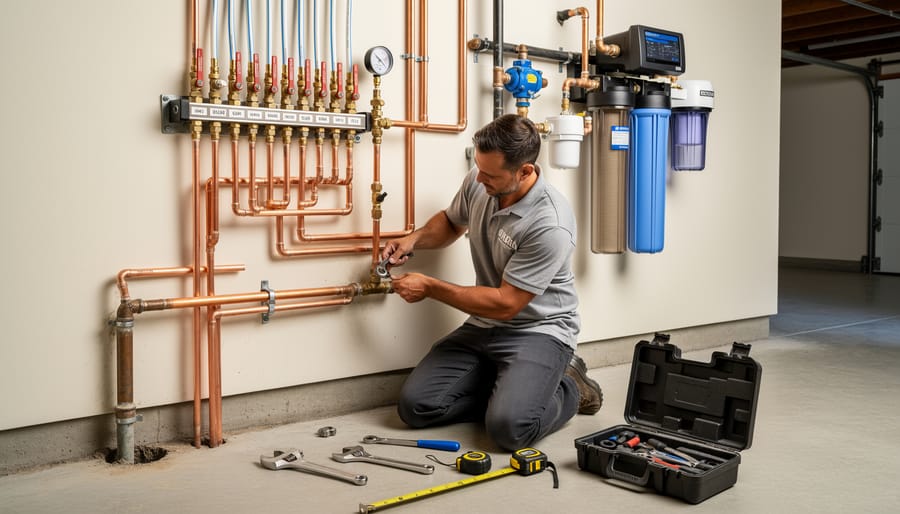
The best location for a whole house filter setup is near your main water shut-off valve, typically in a basement, crawlspace, or utility room. This placement lets the system treat all incoming water before it branches off to different fixtures throughout your home. You’ll need enough clearance below and above the filter housing for cartridge changes, usually 12 to 18 inches of vertical space.
The system installs in-line with your existing plumbing, meaning plumbers cut into the main supply line and connect the filter between two sections of pipe. Most installations require compatible pipe fittings, often transitioning from your home’s existing copper or PEX to the filter’s threaded connections. Your plumber will also install bypass valves on either side of the system, which let you isolate the filter for maintenance without shutting off water to the entire house.
Consider proximity to a floor drain too. Some systems, particularly those with automatic backwashing features, need drainage access. The installation spot should also stay above freezing year-round and remain accessible for regular filter changes.
Permits, Codes, and Professional Considerations
Most jurisdictions require permits for whole-home filtration because you’re modifying the primary water supply. Call your city or county building department before you buy anything. Some places wave you through with a simple notification, while others want engineered drawings and inspections at multiple stages. Permit fees range from around $30 in smaller towns to $500 in stricter municipalities, and the process can add a week or more to your timeline.
Hiring a licensed plumber makes the permit dance easier. They know local codes, pull permits as part of their service, and schedule inspections without you chasing officials. Ask friends for referrals or check your state’s licensing board website to verify credentials. A good plumber will inspect your main line, recommend the right system size for your flow rate, and explain whether your setup needs a pressure-reducing valve or expansion tank alongside the new filter.
Get at least two quotes. Compare not just the installation price but what’s included: some plumbers cover the permit, haul away old equipment, and offer a maintenance plan. Others quote bare-bones labor and nickel-and-dime you for add-ons. A detailed written estimate protects both sides and gives you leverage if warranty questions pop up later.
DIY Installation: Is It Worth the Risk?
Here’s the truth: some simpler systems are within reach of a confident DIYer, but others aren’t. Under-sink point-of-use filters? Often straightforward if you’re comfortable with basic plumbing. Whole-home systems installed near your main shut-off valve and integrated into your existing plumbing lines? That’s a different story. You’re cutting into pressurized water lines, potentially dealing with permits, and risking leaks that can cause serious damage.
Check your warranty first. Many manufacturers void coverage if the system isn’t installed by a licensed professional. And if you’re in a municipality that requires permits, a DIY install won’t pass inspection.
Here’s the real kicker: if something goes wrong, you’ll end up paying a plumber to fix your mistakes anyway, which costs more than hiring them upfront. If you’ve never seen what plumbers do with whole-home systems, it’s worth watching or consulting before you dive in. Save DIY for the simple stuff. For comprehensive purification systems, professional installation protects both your investment and your home.
Maintenance Requirements: The Part Nobody Talks About
Let’s be honest: the sales pitch focuses on clean water and peace of mind, but nobody mentions the Saturday morning you’ll spend changing filters or the annual costs that add up quickly. Every whole-home purification system requires ongoing attention, and skipping maintenance doesn’t just reduce performance, it can turn your expensive investment into a breeding ground for bacteria or a source of water flow problems.
Filter replacement schedules vary widely depending on your system type and water quality. Sediment pre-filters typically need changing every three to six months, while carbon filters last six to twelve months. If you’ve got an RO system, expect to replace the membrane every two to three years at $75 to $150 per membrane. UV bulbs lose effectiveness after about a year even if they still light up, so mark your calendar for annual replacement. Missing these deadlines means you’re essentially running untreated water through your home while thinking you’re protected.
The hands-on work isn’t complicated, but it does require consistency. You’ll need to check for leaks around filter housings during replacements, sanitize the system annually, and monitor pressure gauges if your system includes them. Most homeowners can handle filter swaps themselves once they’ve done it a couple of times, but you’ll want gloves, towels for inevitable spills, and a bucket to catch residual water.
Here’s what regular maintenance is needed to keep your system running properly:
- Sediment filter replacement: every 3-6 months, easy DIY task
- Carbon filter replacement: every 6-12 months, moderate difficulty
- UV bulb replacement: annually, requires electrical disconnection
- RO membrane replacement: every 2-3 years, moderately challenging
- System sanitization: annually, half-day project
- Pressure gauge monitoring: monthly quick visual check
Budget $150 to $400 annually for replacement parts, depending on your system complexity and household water usage. That’s the real cost of ownership that doesn’t appear on the initial price tag. The good news? Staying on top of maintenance means your system will actually deliver the water quality you paid for, and you’ll avoid the much higher cost of premature system failure or emergency plumber visits.
How Water Purification Connects to Other Industries
The technology behind home water purification didn’t originate in residential kitchens. Commercial and industrial applications drove most of the innovation you’re benefiting from today. Restaurants discovered decades ago that filtered water improves the taste of coffee, prevents scale buildup in espresso machines, and extends equipment life. Those same multi-stage filtration systems scaled down for homes came directly from commercial kitchens.
Cannabis cultivation facilities took purification even further. Growers learned that chlorine, heavy metals, and dissolved minerals in tap water affect plant health and final product quality. They invested in RO systems and UV sterilization to control every variable in their water, technologies that later became affordable for homeowners. The precise monitoring equipment used in these grows filtered into residential systems, giving you smartphone apps and sensors that would’ve cost thousands a decade ago.
The vaping industry pushed similar boundaries with manufacturing standards. Water used in e-liquid production requires pharmaceutical-grade purity, which means reverse osmosis, carbon filtration, and multiple purification stages. As manufacturers refined these processes and equipment became mass-produced, prices dropped enough that homeowners could access the same technology.
This cross-pollination benefits you directly. Commercial-grade components become residential options. Industrial testing standards inform NSF certifications for home systems. And when a restaurant or cultivation facility proves a filtration method works reliably under constant use, you can trust it’ll handle your household’s demands without breaking down. The purification system you’re considering for your home carries DNA from industries where water quality isn’t optional.
Choosing the right water purification system doesn’t have to feel overwhelming. Start with a simple step: test your water to understand what you’re actually dealing with. Once you know what contaminants need addressing, the decision becomes clearer.
You don’t have to navigate this alone. Professional plumbers bring real value beyond just installation, they can help you select a system that fits your home’s plumbing setup, handle any permit requirements, and ensure everything works properly from day one. Their expertise can save you from costly mistakes and warranty headaches down the road.
Think of a quality water purification system as an investment in your family’s health, not just another appliance. Clean water affects everything from the taste of your morning coffee to the condition of your skin and hair. The peace of mind that comes from knowing what’s in your water, and what isn’t, is genuinely worth it.
Take your time, ask questions, and choose a system you’ll feel confident about for years to come.